Permaculture · Sustainable Living · Circular Farming
Touching the soil
changes everything.
For 10 years I've been transforming my garden with permaculture. Honest notes on rare seeds, cuttings and circular living.
Topics
Featured Post
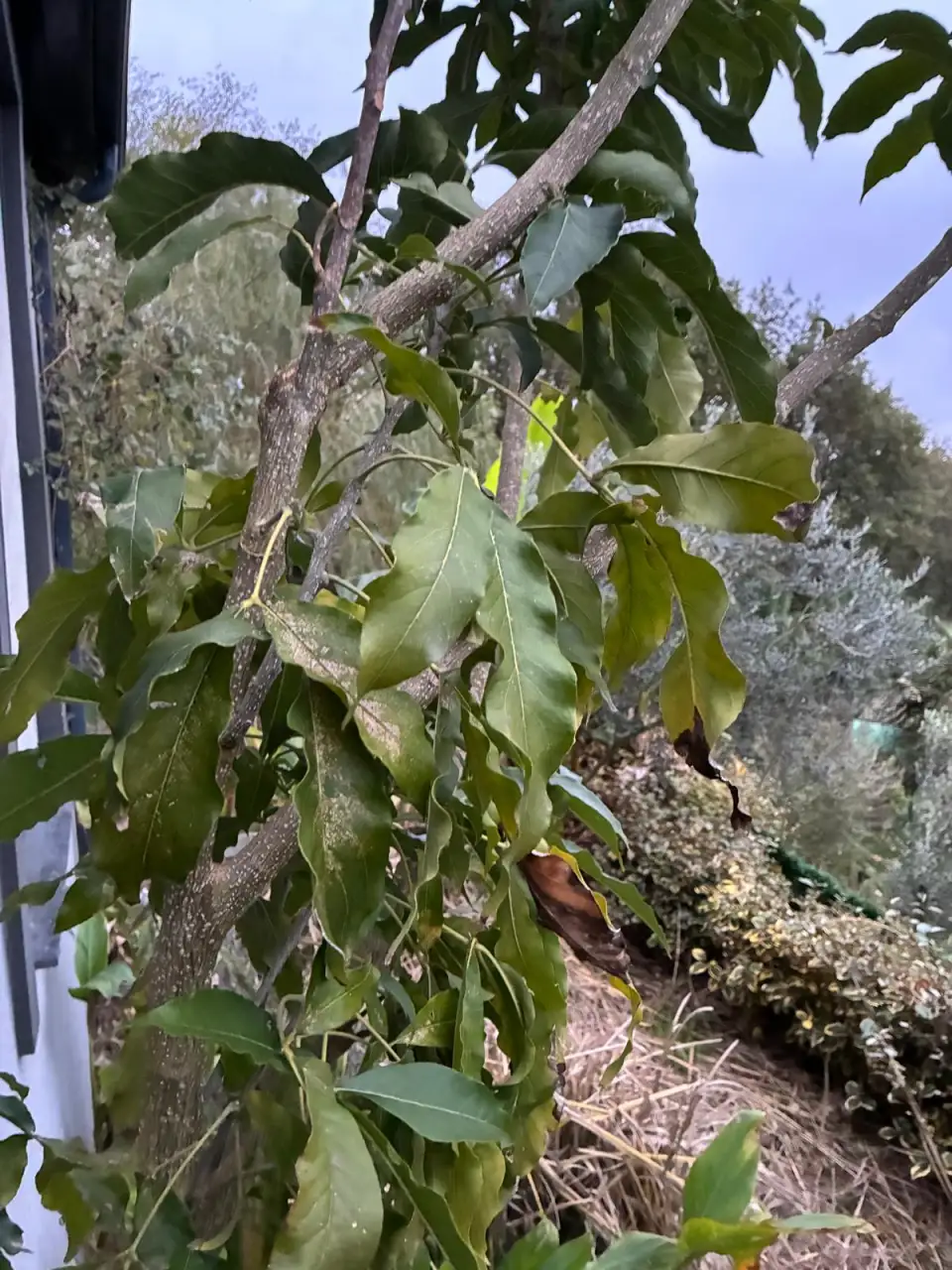
Casimiroa Edulis: A Tropical Tree Surviving 4 Years in Sakarya
Also known as White Sapote, Casimiroa edulis has been in our garden for 4 years. It takes some winter damage each year but bounces back every spring. We haven't seen fruit yet — but we're waiting patiently.
Read Post
Editor's Picks
All posts →
Latest Posts
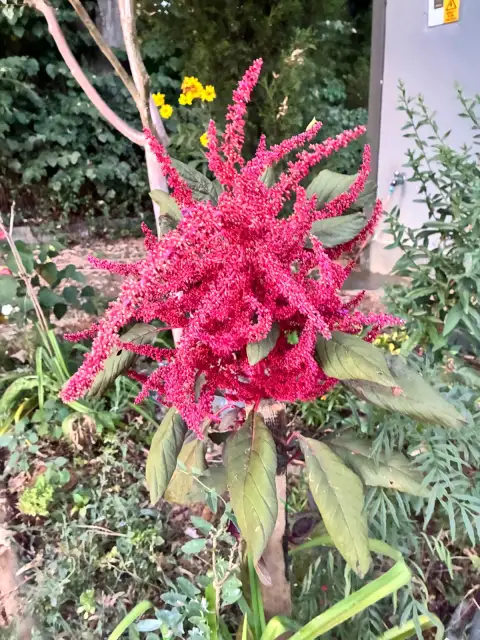
Amaranth (Black Cockscomb): A Plant That Grows on Its Own
Amaranth now grows on its own in our garden, no planting needed. Its flowers are stunning and the seeds are technically edible, though we haven't tried them ourselves. What we love most is that it keeps coming back with zero intervention.
Read more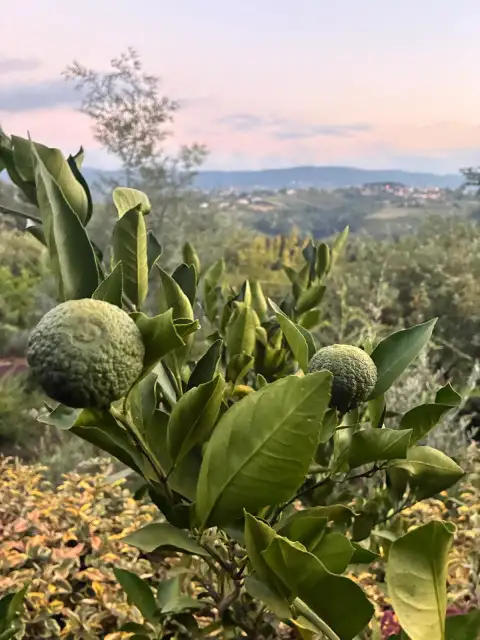
Satsuma Mandarin: The Citrus That Survives Even at -10°C
Satsuma, also known as Rize mandarin, is seedless and very juicy, and it has fully adapted to our garden. Even after seeing -10°C, the shrub survives without dying.
Read more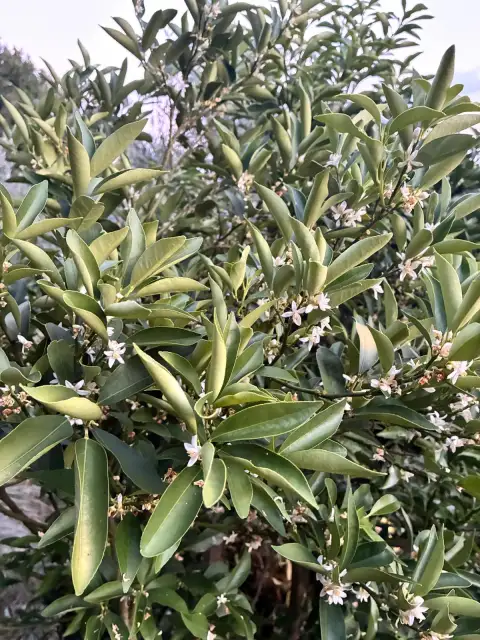
Kumquat: The Dwarf Citrus That Fruits Reliably Every Year in Our Garden
Kumquat is a dwarf citrus that fruits reliably every year in our garden. It's currently in full bloom, here's what the plant is like and my own experience with it.
Read more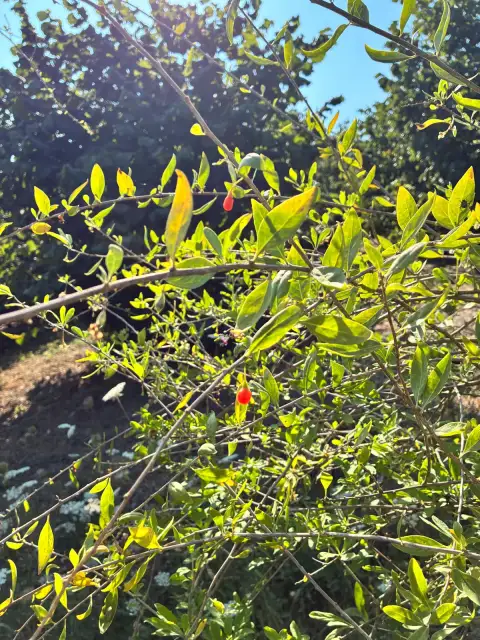
Goji Berry: A Fruit That's Grown in Our Garden for Years, and I'm Still Not Convinced
Goji berry has been growing in our garden for years, but the yield has always been low and the taste never matched expectations. An honest look at a berry that tastes more like pepper.
Read more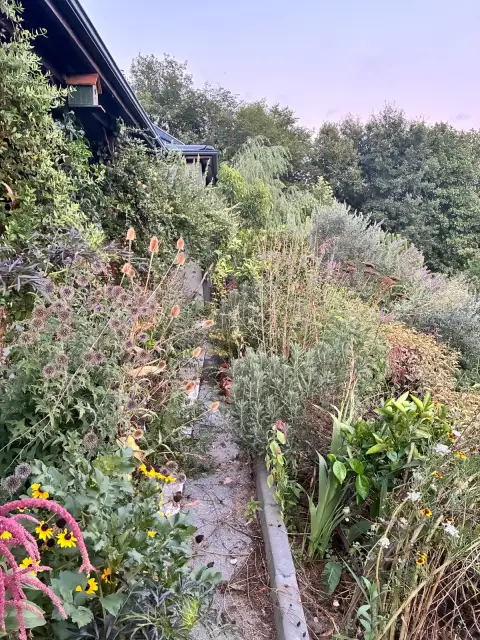
My English-Style Naturalistic Planting: A Dry Garden Experiment
In one corner of my garden I'm trying an English-style naturalistic planting approach, working only with perennials and planting nothing new. Right now it's in its dry-season phase.
Read more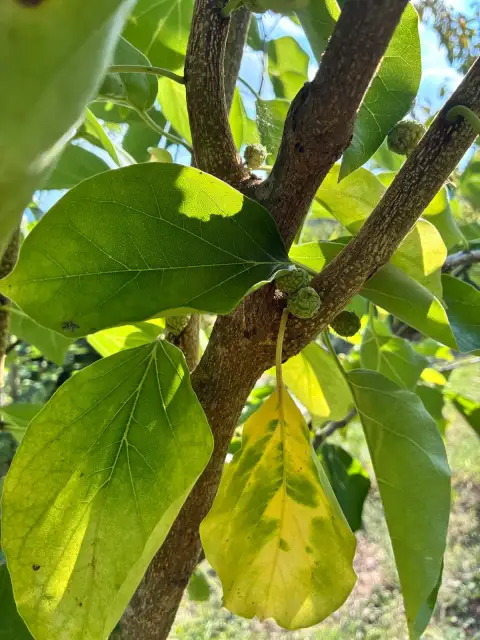
Cudrania Tricuspidata (Che): A Fruit Tree You Don't Need a Pair For
Cudrania tricuspidata, or Che, normally needs a separate male and female tree to fruit - but mine has a male branch grafted onto the female cultivar, so a single tree does the job. The fruit is still green now, but ripens into something that looks like a red raspberry.
Read more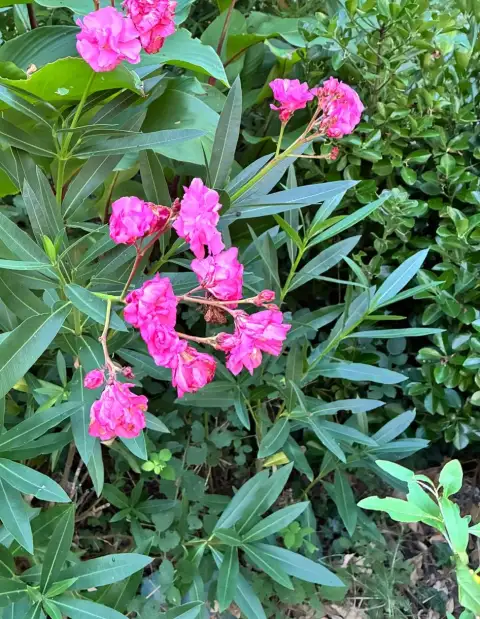
Oleander: It Bloomed Despite the Bad Soil
This oleander barely survived for years in the worst soil in my garden. This year the plants above it started casting shade, and it finally bloomed properly.
Read more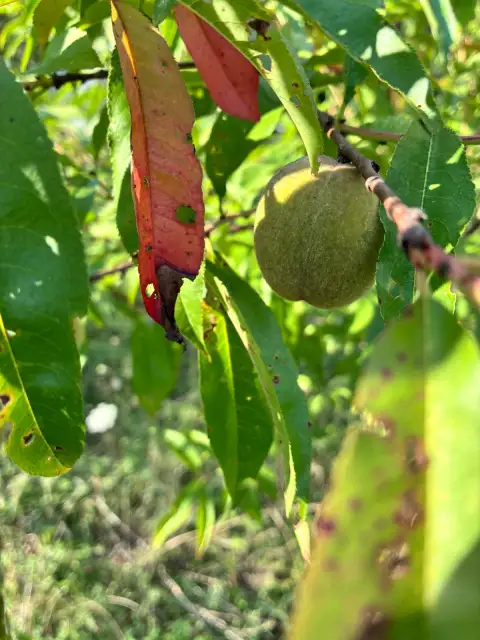
Black Sea Peach: Standing Strong While Diseases Strike Others Down
While other peaches fall to monilia and leaf curl, the Black Sea peach stands strong. Small, aromatic, local and resistant. A story about why heirloom varieties matter.
Read more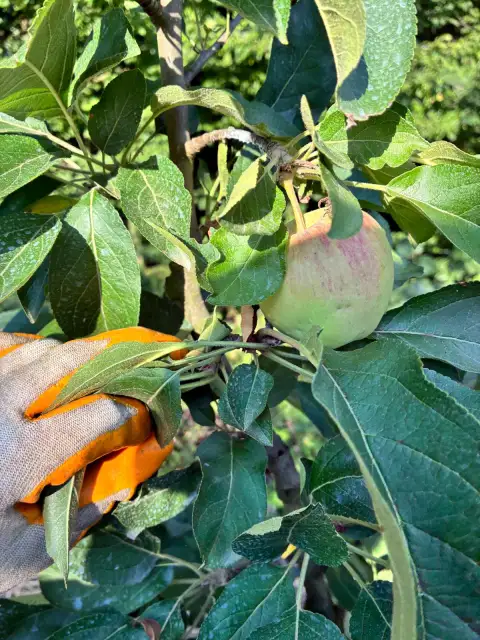
Malus domestica Fuji: The Sweetest Apple of the Garden
With its green to pink-red color transition, intense sweetness and juiciness, the Fuji apple is one of the most loved fruits in our garden. The complete opposite of Granny Smith but side by side on the same property.
Read more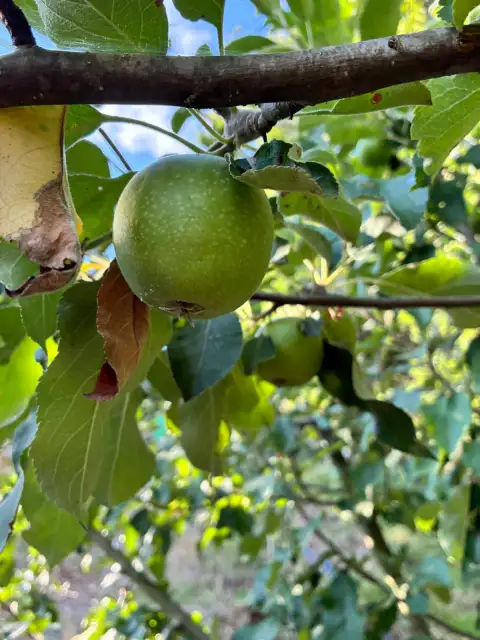
Malus domestica Granny Smith: The Green Sour Miracle of the Garden
Nothing like what you buy from the store. The garden-grown Granny Smith is sour, aromatic, browning quickly when cut. Fruits even in drought.
Read more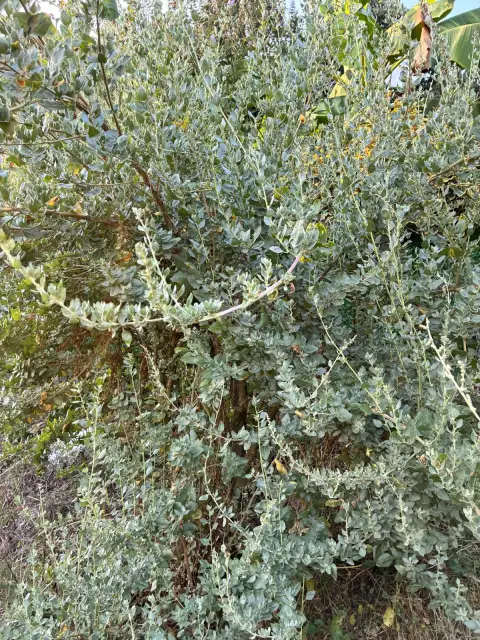
Atriplex halimus: Sea Purslane, PFAF's Forgotten Plant
It entered my list from the PFAF system and I understood why later. Atriplex halimus is edible, drought-resistant, salt-tolerant and soil-improving. One of permaculture's forgotten treasures.
Read more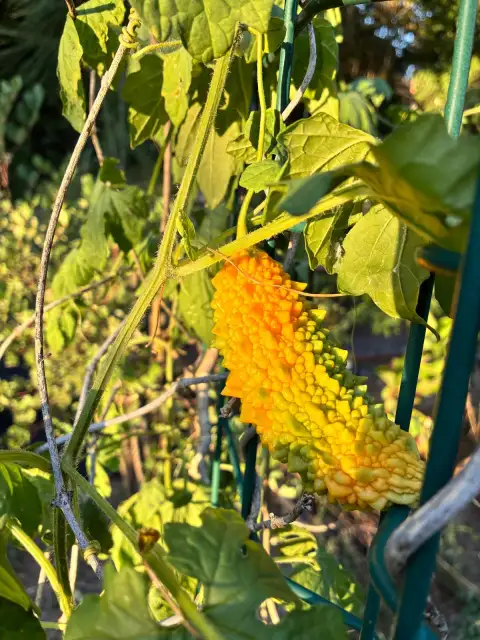
Momordica charantia: Bitter Melon, Both Medicine and Mystery
Whether fruit or vegetable remains debatable but its healing power is undeniable. From stomach ulcers to blood sugar, from dental infections to immunity, Momordica charantia is a medicinal plant with thousands of years of history.
Read more"Keep the cycle, the future is in your hands."
— HE-QA Garden
Permaculture for me is not just a gardening technique — it's a life philosophy. To repair the soil, keep the cycle and leave a richer nature for future generations. Every seed is a trust, every cutting a hope.
Newsletter
Letters from the Garden
Seasonal planting calendars, rare plant introductions and permaculture tips. Once a week.