Permaculture · Sustainable Living · Circular Farming
Touching the soil
changes everything.
For 10 years I've been transforming my garden with permaculture. Honest notes on rare seeds, cuttings and circular living.
Topics
Featured Post
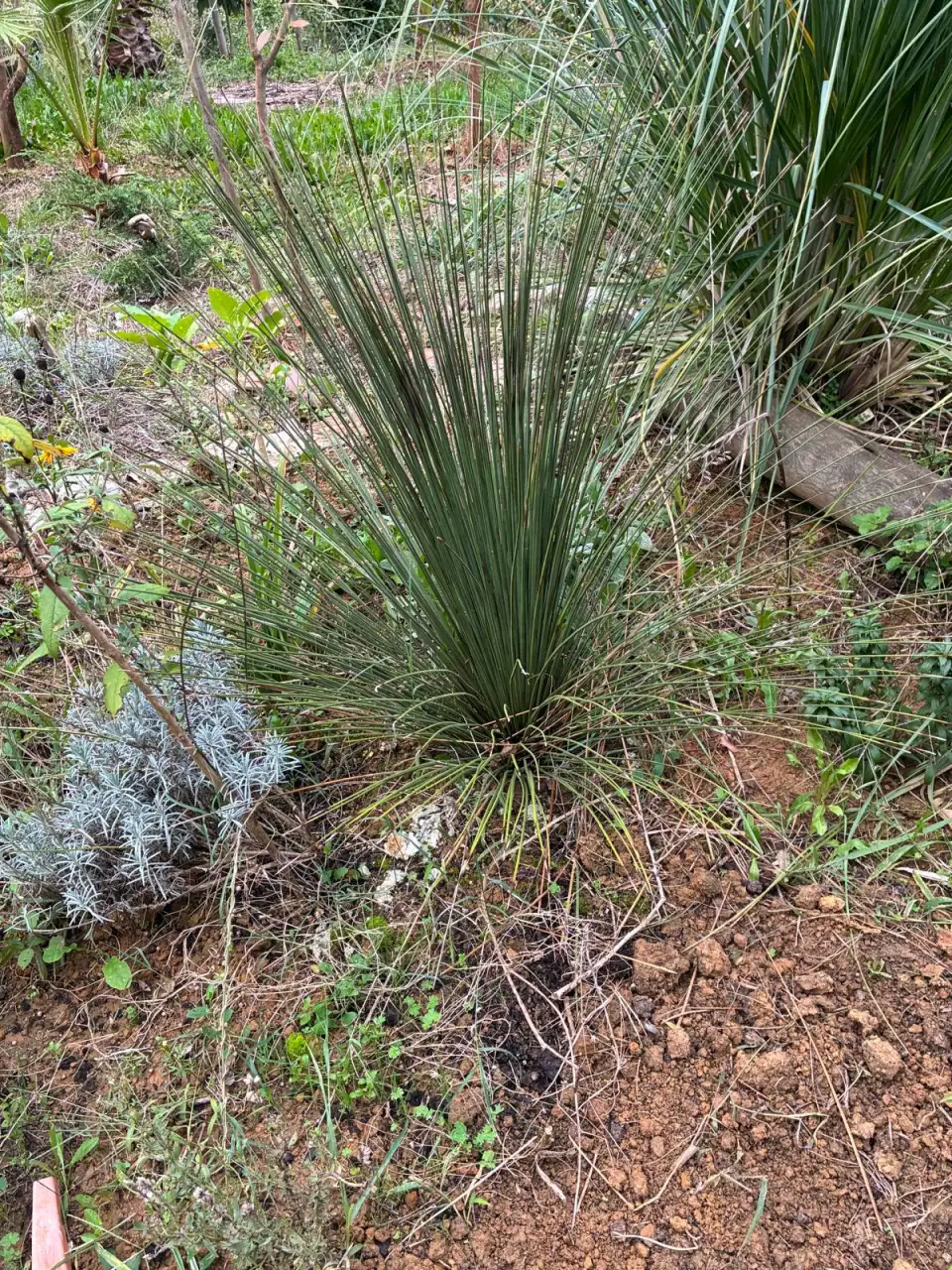
Dasylirion longissimum: The Drought-Defying, Winter-Hardy Landscape Statement
Dasylirion longissimum — Mexican Grass Tree — is one of the most structurally striking drought-tolerant plants for the garden. At HE-QA Garden it sails through summer heat and Sakarya winters with no fuss at all.
Read Post
Editor's Picks
All posts →
Latest Posts
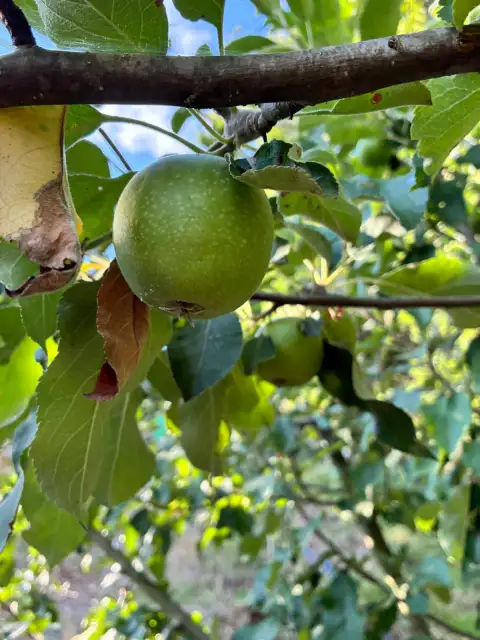
Malus domestica Granny Smith: The Green Sour Miracle of the Garden
Nothing like what you buy from the store. The garden-grown Granny Smith is sour, aromatic, browning quickly when cut. Fruits even in drought.
Read more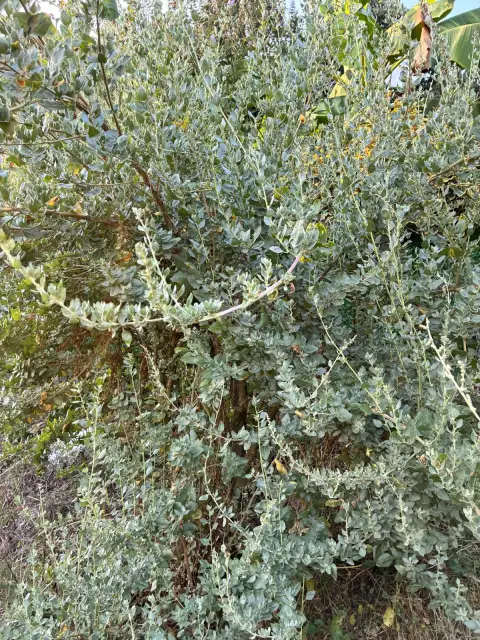
Atriplex halimus: Sea Purslane, PFAF's Forgotten Plant
It entered my list from the PFAF system and I understood why later. Atriplex halimus is edible, drought-resistant, salt-tolerant and soil-improving. One of permaculture's forgotten treasures.
Read more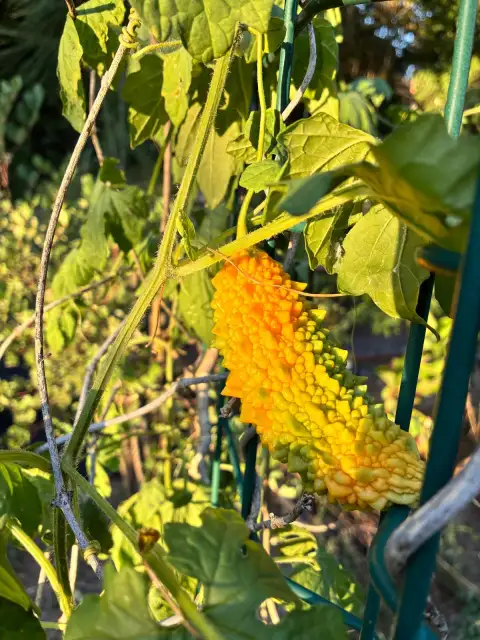
Momordica charantia: Bitter Melon, Both Medicine and Mystery
Whether fruit or vegetable remains debatable but its healing power is undeniable. From stomach ulcers to blood sugar, from dental infections to immunity, Momordica charantia is a medicinal plant with thousands of years of history.
Read more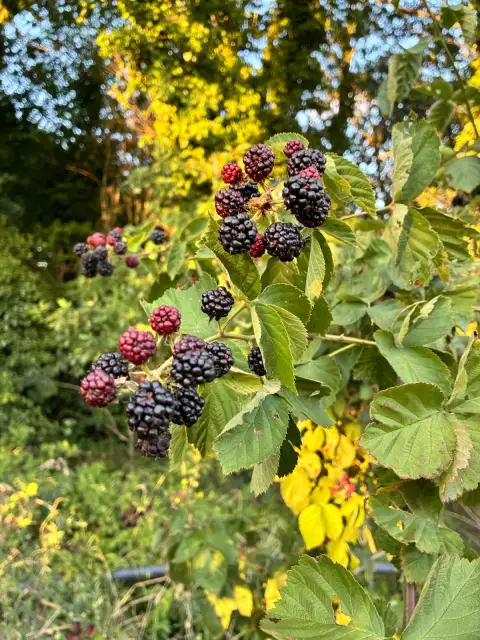
Rubus fruticosus Black Butte: The Drought Warrior Blackberry of the Garden
Ripening in mid-August, drought-resistant, with large and delicious fruits, Black Butte blackberry is one of the most productive fruits in our garden. Grows without irrigation and yields abundantly.
Read more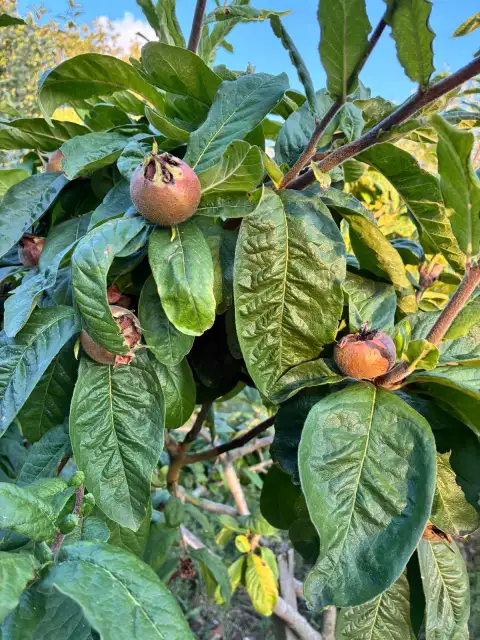
Mespilus germanica Bredase Reus: The World's Largest Medlar in My Garden
This rare variety from Breda, Netherlands, is one of the world's largest medlar cultivars with fruits reaching 5-6 cm in diameter. A variety I definitely want to add alongside the medlar already in my garden.
Read more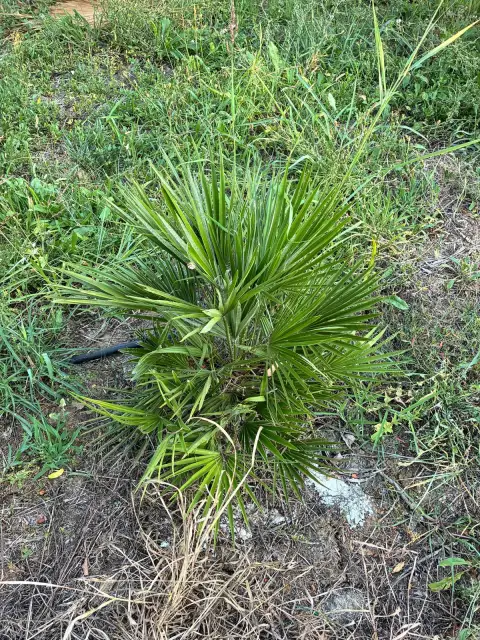
Chamaerops humilis: Europe's Only Native Palm in My Garden
I propagated them from seeds collected from the Sapanca Richmond Hotel garden. Nearly 10 years have passed. Chamaerops humilis, Europe's only native palm, is one of the most resilient plants in the garden with its compact form.
Read more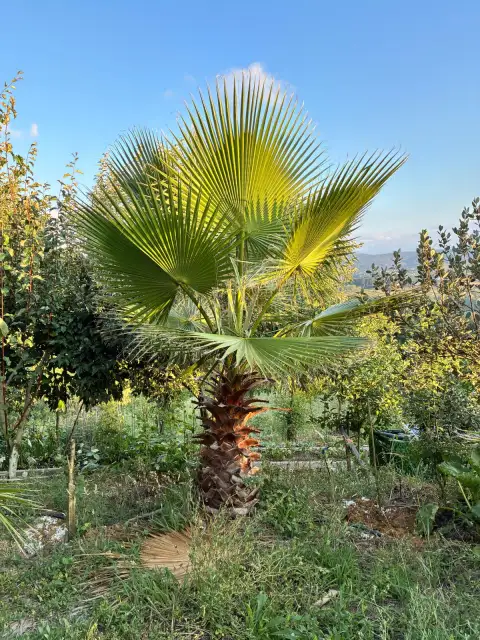
Washingtonia robusta: My 10-Year Legacy Grown from Seed
I propagated them from seeds collected from Washingtonia robusta palms along the Derince coastline. It has been 10 years, they have grown taller than me. One of the most beautiful legacies I am leaving for future generations.
Read more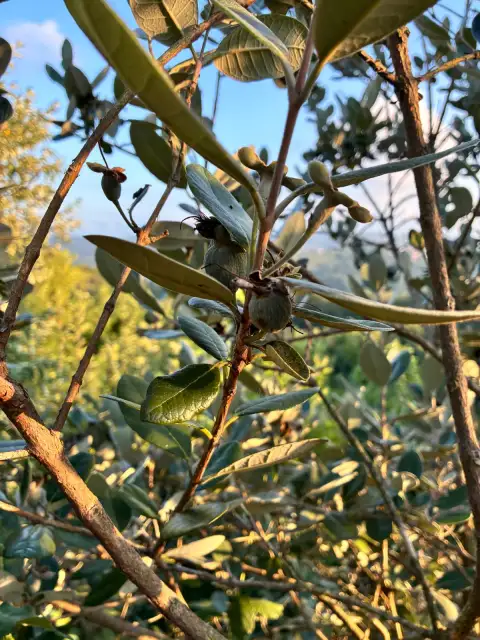
Acca sellowiana Apollo: Subtropical Flavor Growing in Sakarya
Feijoa, a subtropical fruit, has been growing trouble-free in our garden for 7 years with the Apollo variety. Indispensable for its magnificent spring flowers and aromatic autumn fruits.
Read more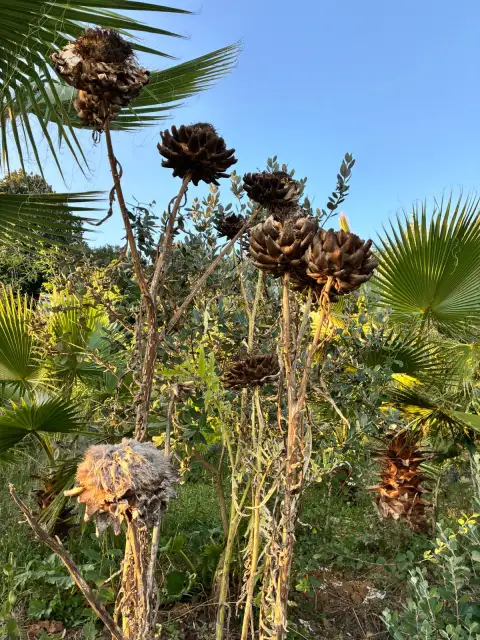
Cynara scolymus: Artichoke and the Beauty After Death
By late summer artichokes transform into dead sculptures. I don't cut them, I wait for them to scatter their seeds. In autumn new shoots emerge from below, the cycle completes.
Read more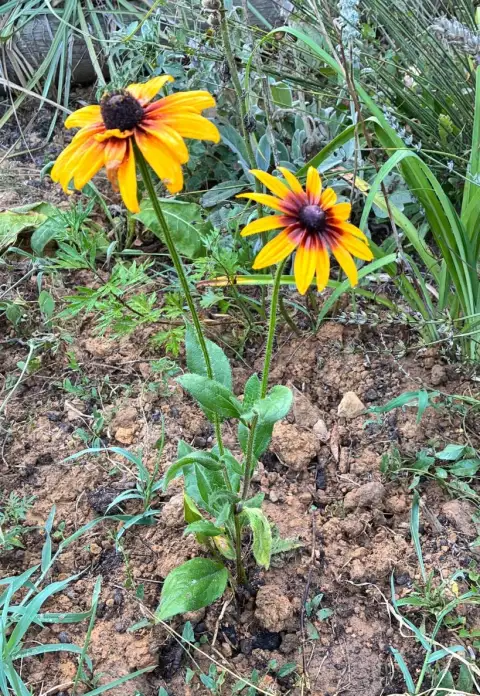
Rudbeckia hirta: The Golden Star of the Garden
With its golden yellow petals and dark black center, Rudbeckia hirta is one of the longest-blooming plants of summer. Drought tolerant, bee-friendly, perennial.
Read more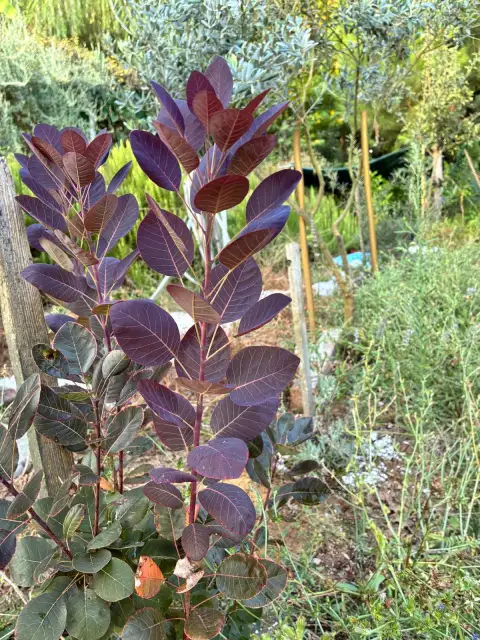
Cotinus coggygria: The Purple Smoke Cloud of the Garden
With its deep purple leaves and smoky fluffy flowers, Cotinus coggygria is the most dramatic plant in the garden. It offers a different beauty in all four seasons.
Read more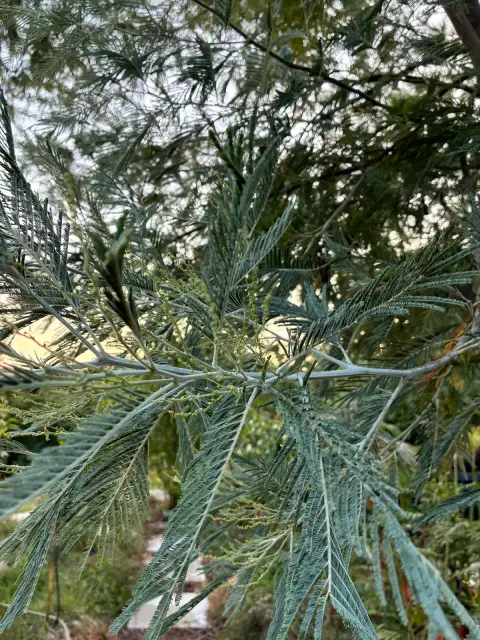
Acacia dealbata: The Focal Tree That Wakes with Yellow Pompoms in Midwinter
While nature falls asleep, mimosa takes the stage. When those yellow pompom flowers open in January and February, the garden suddenly comes alive. Acacia dealbata is one of our focal trees.
Read more"Keep the cycle, the future is in your hands."
— HE-QA Garden
Permaculture for me is not just a gardening technique — it's a life philosophy. To repair the soil, keep the cycle and leave a richer nature for future generations. Every seed is a trust, every cutting a hope.
Newsletter
Letters from the Garden
Seasonal planting calendars, rare plant introductions and permaculture tips. Once a week.